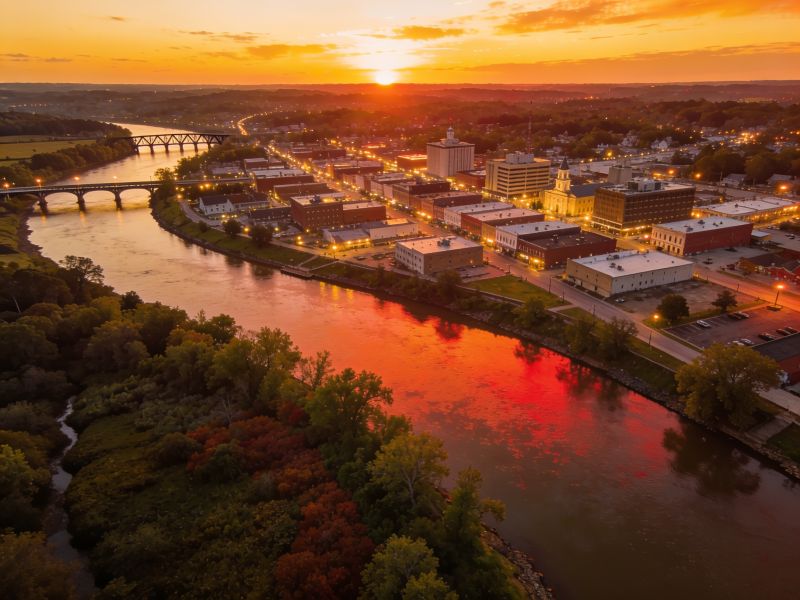
taunton is facing a familiar small-city challenge: how to protect the character that draws visitors while creating enough economic momentum to keep younger residents from leaving. In Virginia’s Shenandoah Valley, the city’s compact downtown remains its strongest asset. Brick storefronts。narrow sidewalks and restored nineteenth-century buildings give Staunton a visual identity that cannot be manufactured overnight. On a recent weekday, visitors moved between independent bookshops, cafes and galleries while commuters crossed the same streets on their way to work. The scene looked calm, but local business owners described a market that is more demanding than it appears. Rent, staffing and changing travel habits have put pressure on retailers, even as tourism continues to support restaurants, theaters and lodging providers.Staunton’s appeal rests heavily on its cultural institutions. The American Shakespeare Center’s Blackfriars Playhouse, modeled on Shakespeare’s original indoor theater, brings a steady stream of theatergoers into the center of town. Mary Baldwin University adds a student population and a long academic tradition, while the Woodrow Wilson Presidential Library and Museum attracts visitors interested in the former president’s early life. The Frontier Culture Museum, located just outside the city, offers another major draw through its living-history exhibits. Each institution reaches a different audience。and together they help Staunton avoid depending on a single tourist season. Local merchants say theater nights can change the rhythm of downtown, filling dining rooms that are otherwise quiet after business hours.
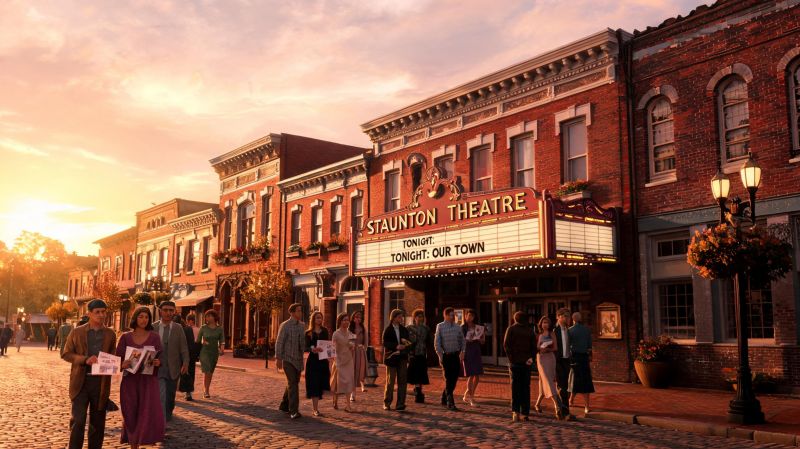
Housing has become a sharper point of debate in Staunton. Historic homes near downtown command attention from buyers seeking walkable neighborhoods, yet their maintenance costs can be considerable. Older roofs, aging plumbing and strict preservation expectations often make renovations more expensive than newcomers anticipate. At the same time, limited housing supply has made it harder for some service workers and young families to remain close to the city center. Staunton officials and community groups have discussed ways to encourage rehabilitation without weakening preservation rules, a delicate balance in a place where the streetscape is part of the economic product. One resident who has lived near downtown for more than two decades described the change as gradual rather than dramatic: “The buildings are still here。but the people who can afford to use them are changing”Transportation also shapes Staunton’s prospects. Interstate 81 provides regional access, and the city’s rail connections remain a visible reminder of its role as a transportation hub. Yet many residents still depend on cars for work, shopping and medical appointments. The walkable core can feel lively at noon and nearly empty a few blocks away, particularly when events are not scheduled. Business owners have called for better connections between downtown, residential neighborhoods and nearby attractions, arguing that visitors who stay longer are more valuable than those who simply stop for a meal. Staunton’s scale makes such improvements possible。but funding and coordination remain persistent obstacles. Small changes, such as clearer pedestrian routes and more consistent public transit service, could have an outsized effect on how residents and visitors experience the city.The debate over Staunton’s future is less about choosing between preservation and growth than deciding what kind of growth the city can absorb. A large development that ignores local design would clash with the qualities that make Staunton distinctive, while refusing every new project could leave businesses and residents with fewer options. The most promising path appears to be incremental: reuse vacant buildings。support independent employers, expand attainable housing and connect cultural venues with everyday neighborhood life. Staunton already possesses the assets many communities spend decades trying to build. Its challenge is turning those assets into a broad local benefit rather than allowing them to serve only visitors and higher-income newcomers. For now, the city’s quiet streets remain both a strength and a warning sign.