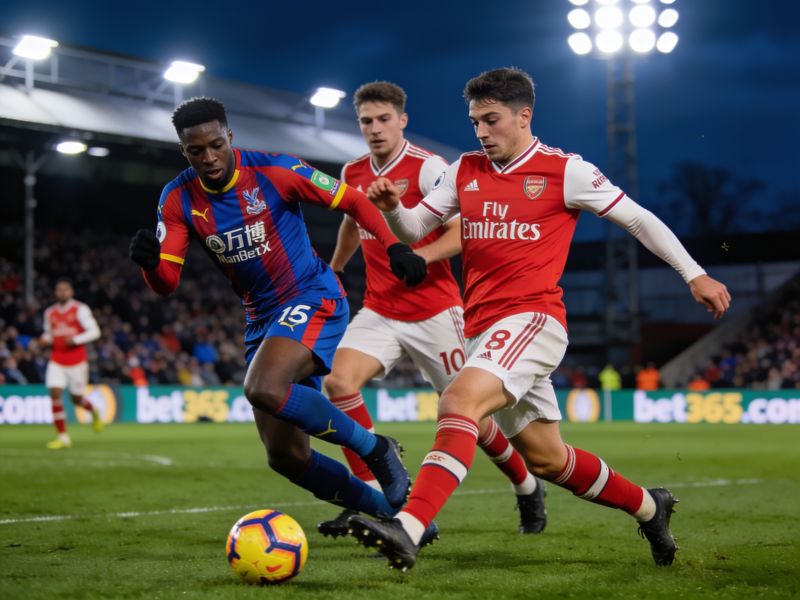
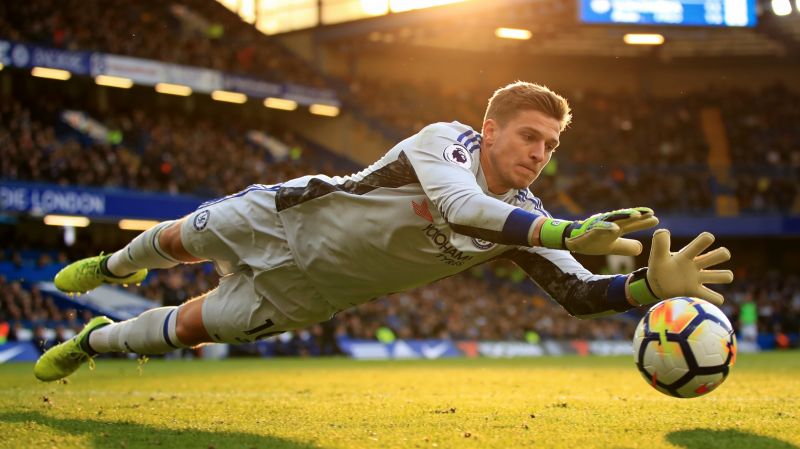
Navas has never needed a loud personality to command a football match. His reputation was built in quieter moments: a low save through a crowd of legs, a sudden leap toward the top corner, or a calm decision made while an entire stadium waited for panic. The Costa Rican goalkeeper became one of the defining figures of Real Madrid’s modern European era, helping the club win three consecutive UEFA Champions League titles from 2016 to 2018. Behind the headlines was a player who treated goalkeeping as a craft rather than a performance. Navas relied on timing。footwork and anticipation, often compensating for his smaller frame with remarkably quick reactions. Even when his position at the highest level became uncertain, Navas continued to attract respect from teammates, coaches and supporters who understood how much pressure he had absorbed.His rise was unusually gradual. Navas spent important formative years in Costa Rica before moving to Spain。
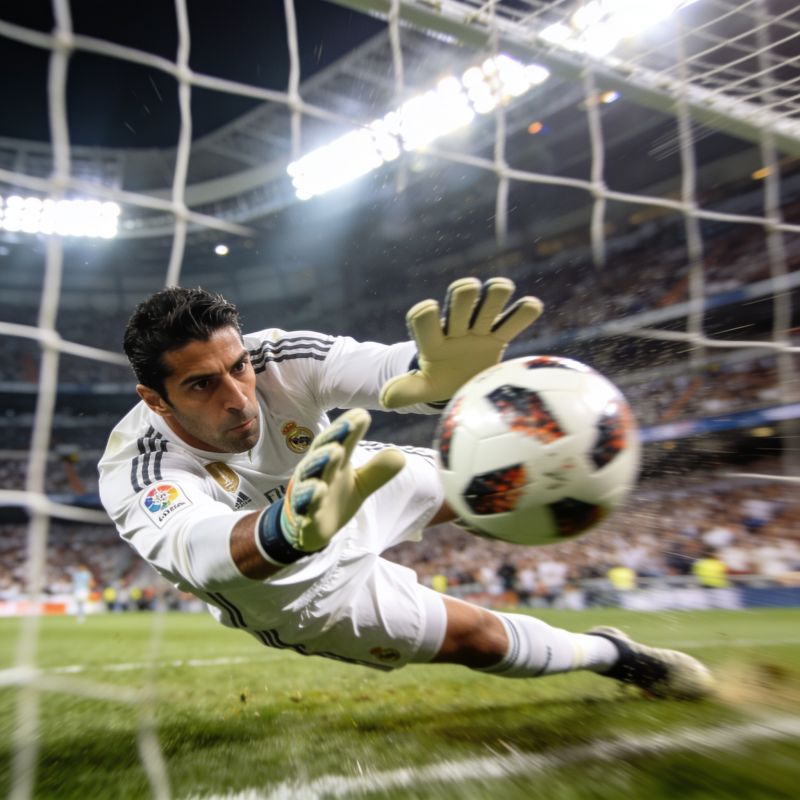
where his performances for Levante changed the way European clubs viewed him. At Levante, Navas was not protected by a dominant defense or a squad filled with global stars. He faced waves of attacks and learned to remain active for long stretches before producing a decisive intervention. That experience prepared Navas for Real Madrid, although the transition brought a different kind of pressure. Every mistake was replayed, every selection debate became a television topic, and the goalkeeper was constantly compared with other elite names. Navas responded with a resilience that became central to his image. He did not always win the argument in public, but he repeatedly won it on the pitch, especially in knockout matches where one save could alter an entire season.At Real Madrid, Navas operated in an environment where success was measured in trophies and failure could be reduced to a single moment. His performances during the Champions League campaigns were not flawless, yet they were often timely. That distinction matters. A goalkeeper may spend eighty minutes making routine stops and then face one shot that carries the weight of a season. Navas had a habit of meeting that moment. His reflex save against Bayern Munich in the 2017 semifinal became one of the clearest examples of his value。while his work during the 2018 knockout rounds helped preserve Madrid’s margin in difficult ties. Supporters sometimes debated whether he was the best goalkeeper in the world, but inside the squad his dependability was easier to measure. Navas gave defenders confidence to hold their positions, and he rarely appeared overwhelmed by the scale of the occasion.The move to Paris Saint-Germain placed Navas under a different spotlight. At PSG, the goalkeeper arrived as a proven European champion but entered a squad whose ambitions extended beyond domestic dominance. Navas helped PSG reach the 2020 Champions League final。a run that strengthened his standing after the uncertainty of his final period in Madrid. His performances in France also revealed a more vocal side. He organized the back line, demanded concentration and used his experience to manage matches in which PSG controlled possession but remained vulnerable to quick transitions. Competition for the position later became intense, and the arrival of another high-profile goalkeeper reduced Navas’s regular role. For a player accustomed to being the last line of a title-winning team, that change was professionally difficult. Still, Navas handled the situation without turning every selection decision into a public dispute, a restraint that reflected both his personality and his long experience at elite clubs.Navas’s later chapters have carried a different emotional tone. Time at Nottingham Forest offered Premier League exposure and a demanding fight for points, while his continued connection with Costa Rica kept him tied to the national team’s ambitions. For Costa Rican supporters, Navas represents more than a collection of medals. He is linked to the country’s memorable World Cup run in 2014, when his saves helped Costa Rica reach the quarterfinals against expectations that had seemed unrealistic before the tournament began. His career now raises a familiar question in football: how should a great player be judged when the peak has passed but the competitive instinct remains?In Navas’s case。
the answer is found in the details. He still reads danger early, still prepares with unusual seriousness and still carries the credibility earned in Europe’s biggest matches. Younger goalkeepers may possess greater physical advantages, but Navas continues to offer something harder to teach—composure when the game becomes chaotic, and the courage to stand alone when everyone else is moving forward.