Monroe, Louisiana, is betting that its riverfront can help rewrite the economic story of a city long associated with manufacturing, retail, and the uneven fortunes of northeast Louisiana. Along the Ouachita River, cranes, construction crews。and municipal workers have become familiar sights as officials pursue improvements to parks, walkways, drainage systems, and public gathering spaces. The effort is modest compared with the waterfront transformations seen in larger Southern cities, but Monroe leaders argue that a more attractive river edge could support local businesses and encourage visitors to stay longer. For residents, the question is less about creating a postcard view than fixing places they use every day. A shaded path, a cleaner entrance to downtown, or a reliable festival site may sound ordinary. In Monroe, those details are tied to a broader argument about whether the city can retain young workers and draw new investment.
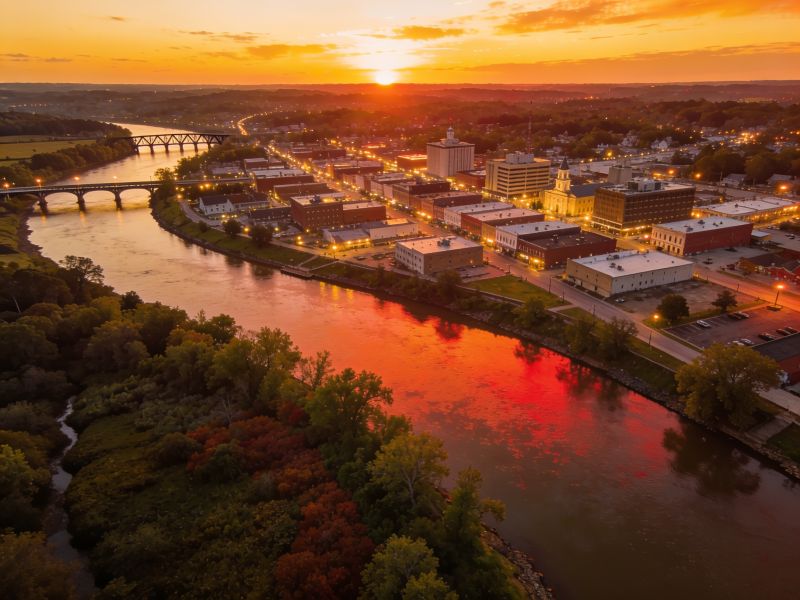
The city’s location gives Monroe an advantage that many inland communities would like to have. The Ouachita River cuts through the urban area, connecting Monroe with West Monroe and shaping the region’s history, transport patterns, and identity. Yet the river has also exposed the limits of development. Flood concerns, aging infrastructure, and fragmented ownership have made large-scale projects expensive and slow. Business owners near downtown say foot traffic can rise sharply during concerts, holiday events。or university activities, then fall away once the crowds leave. That pattern has encouraged Monroe officials and private developers to focus on smaller, practical improvements rather than one grand project. New restaurants, renovated storefronts, and apartments can change the feel of a block, but they need steady customers. One shop owner described the challenge in plain terms: people enjoy visiting Monroe;the harder task is giving them a reason to return on a Tuesday night.The University of Louisiana Monroe remains central to that calculation. Students bring energy, renters, and seasonal demand, while the university’s programs in pharmacy, nursing, aviation, and other fields connect Monroe to employers across the region. Local officials want more graduates to build careers in Monroe instead of leaving for Baton Rouge。Dallas, Houston, or Atlanta. That goal is not easy to meet. Young professionals often point to wages, housing choices, nightlife, and career mobility when explaining why they move away. Monroe has made progress in expanding cultural events and improving public spaces, but the city still faces the familiar problem of scale: a limited population means fewer employers, fewer specialized services, and less room for failed experiments. Even so, university-linked startups and health-care employment offer Monroe a foundation that smaller communities do not possess.Economic pressure is visible beyond the riverfront. Monroe has spent years adjusting to changes in retail, industrial employment, and consumer habits. Some longtime commercial corridors contain empty buildings beside businesses that remain busy, creating a patchwork rather than a clean recovery. Regional employers continue to seek workers with technical skills, yet training, transportation, and childcare can determine whether residents are able to take those jobs. Local economic development groups have promoted manufacturing, logistics, health care, and technology, but recruitment announcements do not automatically translate into broad household gains. In Monroe。the most convincing evidence of progress may come from quieter indicators: a vacant building reopened, a local supplier winning a contract, or a family-owned company hiring beyond its immediate circle. Those changes rarely generate dramatic headlines, but they are more durable than a ribbon-cutting ceremony.For Monroe, the coming years will test whether civic ambition can survive practical constraints. The city does not need to imitate New Orleans, Nashville, or even larger regional centers to become more competitive. It needs dependable streets, well-maintained public spaces, responsive services, and a downtown that works for residents as well as visitors. Local leaders have made a reasonable case for investing in the riverfront, but the project’s success will depend on what happens around it: housing, parking, public safety, business support。
and regular programming. Residents are watching closely, and many have become skeptical of plans that look impressive in renderings but produce little change on the ground. Monroe still has assets that cannot be manufactured—a university, a river, a distinct regional culture, and established communities. Turning those assets into lasting growth will require patience, discipline, and a willingness to measure results after the cameras leave.